
//

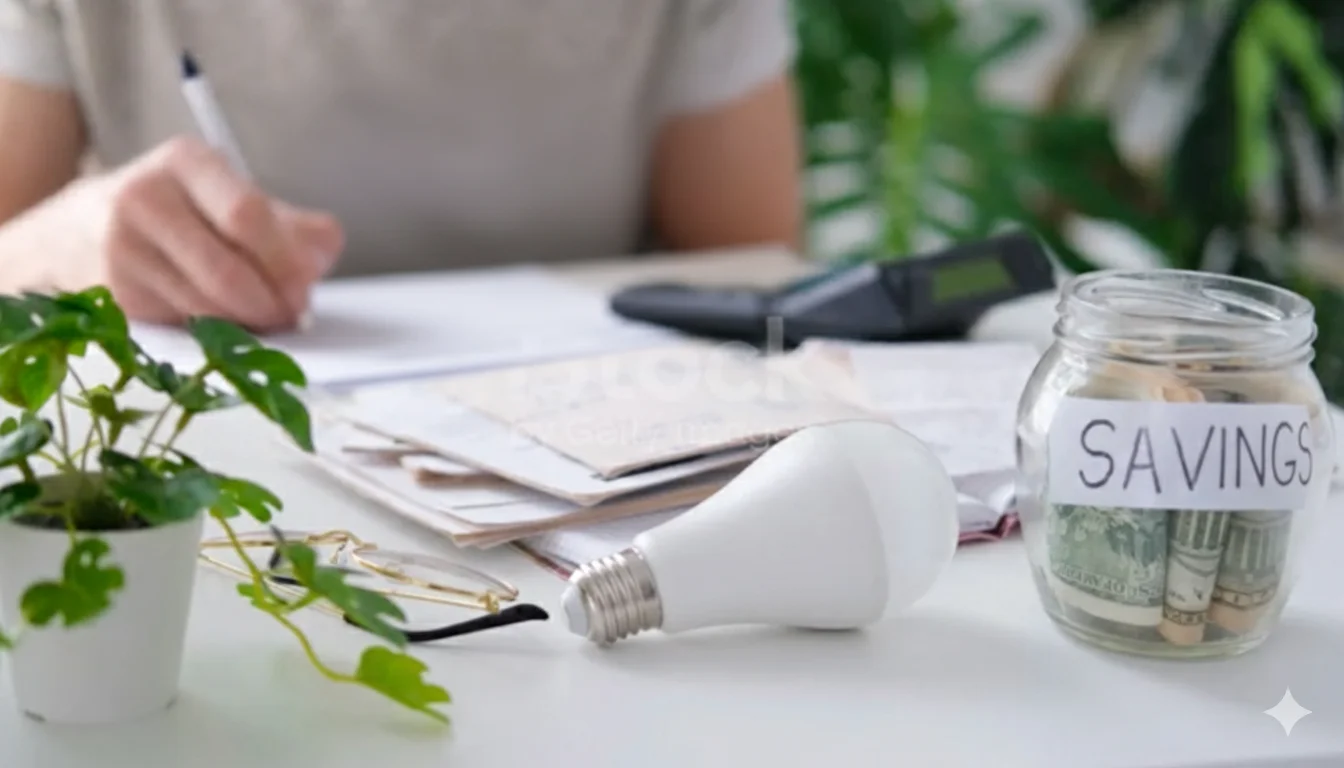
Understanding why energy suppliers estimate bills, how estimates work, and what you can do to ensure accurate billing.
Energy bills are estimated when your supplier doesn't have an up-to-date meter reading. Instead of using your actual energy usage, they calculate what they think you've used based on your past consumption patterns.
This happens more often than you might think, and it can lead to bills that don't reflect your actual usage.
Your supplier will estimate your bill if:
Most suppliers try to read meters every few months, but if they can't get a reading, they'll estimate instead.
Suppliers estimate your usage by looking at:
They'll then calculate what they think you've used and bill you accordingly.
Estimated bills can cause problems:
If the estimate is too high:
If the estimate is too low:
The best way to ensure accurate billing is to provide regular meter readings:
If you have a smart meter, it should send readings automatically, but it's still worth checking that it's working properly.
If you've been paying estimated bills that are too high:
If estimates have been too low:

Consumer Affairs Writer
Understanding why your electricity meter shows multiple readings, what they mean, and which ones to use when submitting readings.
Understanding dual fuel tariffs, how they work, advantages and disadvantages, and whether they're right for you.
Understanding prepayment meters, how they work, advantages and disadvantages, and how to switch from or to a prepayment meter.